
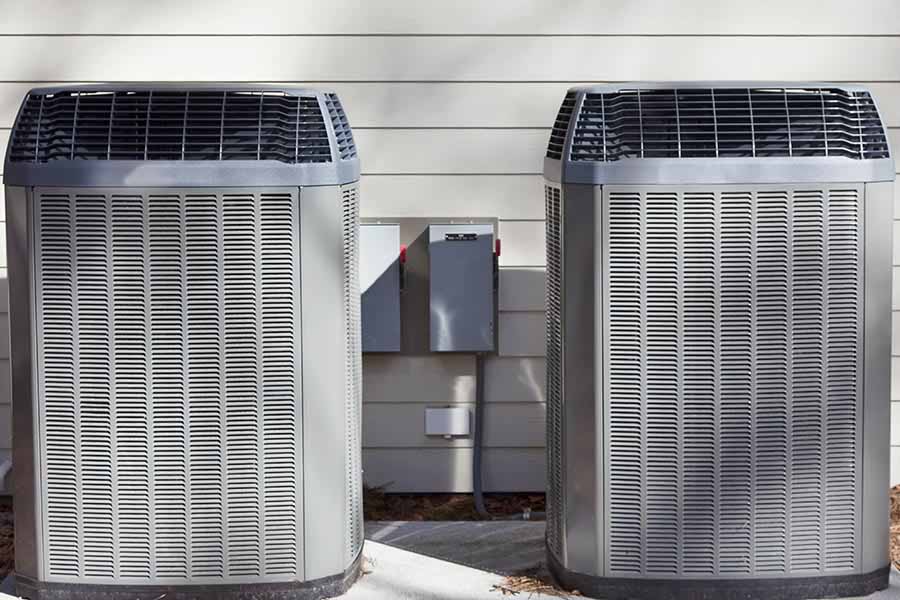
Heat pumps are gaining popularity in Blakeland, CO, thanks to their energy efficiency and versatility in both heating and cooling your home. However, choosing the right system and ensuring proper installation can be intimidating. You’ll want to contemplate several factors before making a decision. Understanding these elements can lead to significant savings on energy bills and improved comfort year-round. So, what should you know before you start the installation process?
Understanding Heat Pumps and Their Benefits
When it comes to efficient climate control, heat pumps are a top choice for homeowners. These systems transfer heat rather than generate it, making them highly energy-efficient.
During winter, they pull heat from the outside air and bring it indoors, while in summer, they work in reverse to cool your home. You’ll not only save on energy bills but also reduce your carbon footprint.
Heat pumps require less maintenance than traditional heating and cooling systems, and they can provide both heating and cooling in one unit. This versatility means you won’t need to invest in separate systems for different seasons.
Additionally, many heat pumps operate quietly, enhancing your home’s comfort without disruptive noise. Technological advancements make modern heat pumps more reliable and effective than ever. Furthermore, investing in energy-efficient HVAC solutions ensures long-term savings and enhanced comfort for your home.
Factors to Consider Before Installation
Installing a heat pump is an exciting step toward enhancing your home’s comfort and efficiency.
However, before you plunge into the installation process, it’s important to examine several key factors to guarantee you make the best choice for your needs.
- Climate Suitability: Blakeland’s weather can impact heat pump performance. Evaluate a model designed for your climate.
- Sizing: An accurately sized unit guarantees peak efficiency and comfort. Too big or too small can lead to issues.
- Energy Efficiency Ratings: Look for high SEER and HSPF ratings to save on energy bills and reduce your carbon footprint.
- Installation Costs: Factor in not just the unit’s price, but also installation and potential maintenance expenses.
Assessing these elements can help you choose the right heat pump and guarantee a successful installation. Additionally, consider the importance of regular maintenance to prevent major repair needs and ensure long-term efficiency.
The Installation Process Explained
Installing a heat pump can seem intimidating, but understanding the process can make it much easier.
First, you’ll want to schedule an assessment with a qualified Parker Heating and Air Conditioning technician. They’ll evaluate your home, discuss your heating needs, and recommend the right system.
Next, they’ll prepare the installation site, including removing your old unit and guaranteeing proper insulation and ductwork.
Once everything’s set, your technician will install the indoor and outdoor units, connecting them to your home’s electrical and plumbing systems.
After that, they’ll test the system to guarantee everything operates efficiently and safely.
Finally, they’ll walk you through the system’s features and answer any questions you might have. The technicians also emphasize transparent communication to ensure you feel confident and informed throughout the installation process.
Maintenance Tips for Long-Term Efficiency
Regular maintenance is crucial to keep your heat pump running efficiently over the long haul.
You can guarantee peak performance and extend the lifespan of your unit by following these simple tips:
- Change Filters: Replace or clean your air filters every 1-3 months to maintain airflow and efficiency.
- Inspect Ducts: Check for leaks or blockages in your ductwork to prevent energy loss and improve air quality.
- Clean Coils: Keep the outdoor and indoor coils clean to facilitate proper heat exchange and prevent overheating.
- Schedule Professional Maintenance: Have a Trane-certified technician inspect your system at least once a year to catch potential issues early, as regular maintenance extends furnace lifespan and improves energy efficiency.
Choosing the Right HVAC Partner in Blakeland
How do you find the right HVAC partner in Blakeland? Start by seeking local companies with a solid reputation, like Parker Heating and Air Conditioning. Look for reviews and testimonials to gauge customer satisfaction.
A trustworthy HVAC partner should offer 24/7 emergency services, guaranteeing you’re covered whenever you need help.
Next, check their credentials. A Trane-certified team assures expertise and high-quality installations. Confirm they provide transparent communication and flexible financing options that fit your budget.
Additionally, inquire about maintenance plans; ongoing support can enhance your heat pump’s efficiency and lifespan.
Finally, schedule a consultation. This will give you a sense of their professionalism and willingness to address your concerns.
Conclusion
To sum up, installing a heat pump in Blakeland isn’t just about comfort; it’s an investment in your home’s future. By choosing the right system and professionals, you can embrace energy efficiency that pays off in the long run. Remember, the right heat pump can transform your living space into a sanctuary, adapting seamlessly to every season. So, take the plunge—your wallet and the environment will thank you for it!