
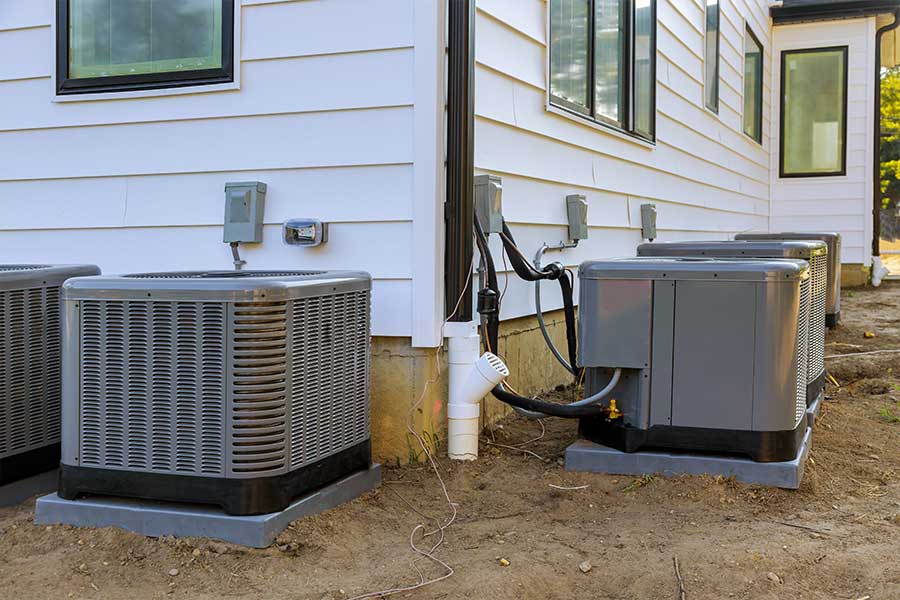
If you want to extend the life of your heat pump in Parker, CO, there are several maintenance tips you should consider. Regularly cleaning and replacing air filters is just the start. Scheduling annual professional inspections can catch potential issues early, while keeping outdoor units clear of debris guarantees ideal performance. But that’s not all—there are more effective strategies to boost efficiency and air quality that you might not have thought about.
Regularly Clean and Replace Air Filters
To guarantee your heat pump runs efficiently, it’s essential to regularly clean and replace air filters. Clogged filters restrict airflow, making your heat pump work harder and use more energy. This can lead to higher utility bills and quicker wear on your system.
Aim to check your filters at least once a month, especially during peak heating or cooling seasons. If they look dirty or clogged, it’s time to clean or replace them.
When replacing, make sure you choose the correct size and type for your specific model. This small task can greatly improve your heat pump’s performance and longevity.
Additionally, consider investing in high-efficiency filters to capture more dust and allergens, enhancing your indoor air quality. By staying on top of filter maintenance, you’ll not only guarantee efficient operation but also create a more comfortable living environment for you and your family. Regular maintenance can also help extend the lifespan of the furnace, ensuring your system remains in top condition for years to come.
Schedule Annual Professional Inspections
Scheduling annual professional inspections is essential for keeping your heat pump in top condition. These inspections not only guarantee your system runs efficiently but also help identify potential issues before they become costly repairs.
By partnering with a trusted service like Parker Heating and Air Conditioning, you can enjoy peace of mind knowing your heat pump is in expert hands.
During these inspections, professionals will:
- Check and clean electrical components to prevent malfunctions.
- Test system performance and efficiency to enhance energy savings.
- Inspect refrigerant levels and verify proper airflow for peak operation.
Additionally, regular maintenance is crucial for the efficiency and longevity of your heat pump, ensuring it operates at optimal levels throughout its lifespan.
Don’t wait for problems to arise; proactive maintenance is key to extending the life of your heat pump.
Make it a priority to schedule this important service annually. Your heat pump will thank you with consistent comfort and reliability throughout the seasons.
Keep Outdoor Units Clear of Debris
While you may not realize it, keeping your outdoor heat pump unit clear of debris is crucial for its efficiency and longevity. Leaves, dirt, and branches can obstruct airflow, causing your system to work harder and consume more energy. This extra strain can lead to premature wear and tear, ultimately shortening the lifespan of your heat pump.
To maintain peak performance, regularly inspect the area around your unit. Remove any accumulated debris, especially during fall or after storms. Trim back vegetation to guarantee there’s at least two feet of clearance around the unit. This not only helps with airflow but also prevents moisture buildup, which can lead to rust and corrosion. Additionally, timely repairs can significantly enhance the overall performance and durability of your heating system.
Monitor Thermostat Settings and Efficiency
Maintaining your heat pump’s efficiency doesn’t stop at keeping the outdoor unit clear; it also hinges on how you manage your thermostat settings. Regularly checking and adjusting your thermostat can lead to significant energy savings and prolong your system’s life.
Here are a few tips to help you get the most out of your heat pump:
- Set your thermostat to a consistent temperature, ideally between 68°F and 72°F.
- Utilize programmable or smart thermostats to automatically adjust settings based on your schedule.
- Avoid frequent temperature changes; they can strain your system and increase energy consumption.
Additionally, regular maintenance of your heat pump can prevent major repair needs and ensure optimal performance throughout the year.
Check and Seal Ductwork for Leaks
To guarantee your heat pump operates at peak efficiency, checking and sealing ductwork for leaks is essential. Leaky ducts can greatly reduce your system’s performance, causing it to work harder and consume more energy.
Start by inspecting visible ductwork for any gaps, holes, or disconnected sections. Use duct tape or mastic sealant to seal these leaks, ensuring a tight fit.
Don’t forget to check hidden areas, like attics or crawl spaces. If you notice a considerable drop in airflow or hear unusual noises, it’s time to call in a professional. A thorough duct inspection can reveal issues you might miss.
Regular maintenance and sealing can improve your heat pump’s efficiency, leading to lower energy bills and a longer lifespan. Remember, a well-sealed system means a more comfortable home, so prioritize your ductwork to keep your heat pump running smoothly.
Conclusion
In the world of heat pumps, think of your system as a garden. Just as you nurture plants to flourish, consistent care will help your heat pump thrive. By regularly cleaning filters, scheduling inspections, and monitoring settings, you cultivate an environment where efficiency blooms. Keeping outdoor units clear and sealing duct leaks guarantees nothing stifles growth. Embrace these maintenance tips, and your heat pump will reward you with lasting comfort, much like a garden yields vibrant flowers season after season.