

If you’re experiencing frequent leaks, low water pressure, or discolored water, you might want to consider whole-house repiping. This investment not only resolves these common plumbing issues but also enhances the overall quality of your water supply. By upgrading to durable materials, you can protect your home and enjoy long-lasting comfort. But how do you know if it’s truly time to take this step? Let’s explore the signs that indicate a repipe might be necessary.
Understanding the Need for Whole House Repiping
When you notice frequent leaks, low water pressure, or discolored water, it might be time to contemplate whole house repiping. These issues often signal underlying problems with your plumbing system, such as aging pipes, corrosion, or blockages.
Ignoring these signs can lead to more severe damage, increased water bills, and potential health hazards from contaminants.
Assessing the condition of your pipes is essential. If your home has galvanized steel or polybutylene pipes, you’re at a higher risk for leaks and failures.
A thorough inspection by a professional can help you understand the state of your plumbing and whether repiping is necessary. Plumbing repiping services not only address current issues but also prepare your home for the future. By investing in new, durable materials, you can prevent future headaches and guarantee a reliable water supply.
Don’t wait for a minor issue to escalate; take proactive steps to safeguard your home’s plumbing.
Benefits of Repiping for Homeowners
Repiping your home offers numerous advantages that can greatly enhance your quality of life.
First off, you’ll enjoy improved water quality, as new pipes eliminate rust and sediment buildup that can affect taste and safety. You’ll also experience increased water pressure, making daily tasks like showering and washing dishes more efficient and enjoyable.
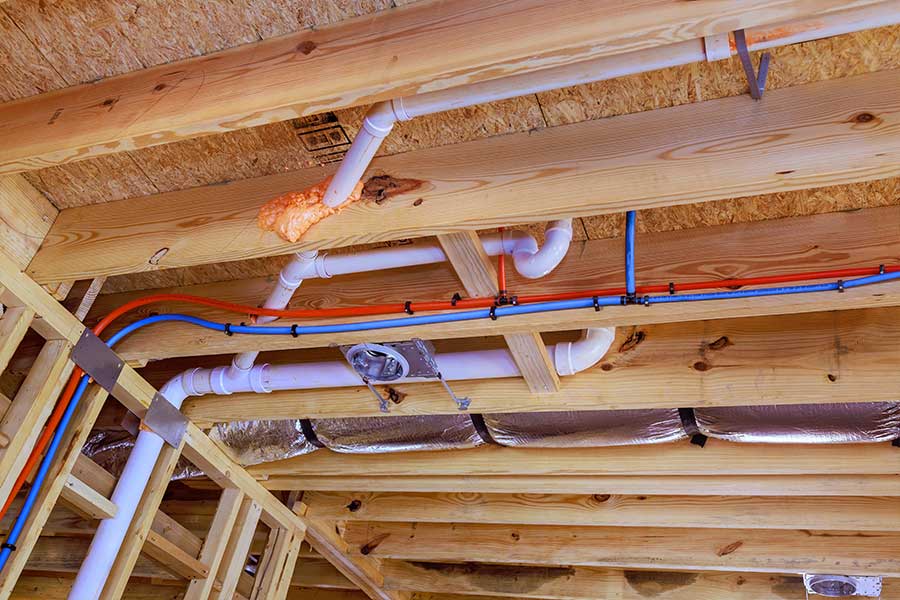
Additionally, repiping can prevent costly leaks and water damage, protecting your home and your investment. With modern materials like PEX or copper, you’ll benefit from durability and longevity, reducing future repair needs.
Moreover, repiping can increase your home’s value, making it more appealing to future buyers.
Finally, you’ll have peace of mind knowing that your plumbing system is reliable, allowing you to focus on what truly matters—your comfort and happiness at home. Investing in repiping is a smart choice for any homeowner looking to enhance their living environment. Furthermore, integrating a whole-home water filtration system can further improve your water quality and overall household satisfaction.
Signs That Indicate It’s Time to Repipe
As you enjoy the benefits of repiping, it’s important to acknowledge the signs that indicate your home might need this upgrade. If you notice frequent leaks or water stains on walls and ceilings, it’s a clear warning sign.
Additionally, discolored or rusty water can signal deteriorating pipes, while low water pressure might indicate blockages or corrosion. Unusual sounds, like banging or clanging, often stem from aging plumbing systems that need replacement.
If you find yourself constantly scheduling repairs, it’s time to contemplate a more permanent solution. Finally, if your home is older and still has original plumbing, investing in repiping can prevent future headaches. Expert technicians can evaluate your plumbing system to identify potential issues before they escalate.
Recognizing these signs early can save you time, money, and stress, ensuring your home remains a comfortable sanctuary. Don’t wait until small issues escalate into significant problems—act before it’s too late!
The Repiping Process Explained
Understanding the repiping process can help you make informed decisions about your home’s plumbing needs.
First, a plumbing professional will assess your current system to identify areas that require replacement. Next, they’ll discuss your options, including materials like copper or PEX, helping you choose what suits your home best.
Once you’ve made a decision, the team will schedule a time for the repiping. They’ll begin by shutting off the water supply and removing damaged pipes. During this stage, expect some disruption, but the crew will work efficiently to minimize inconvenience.
After installing the new pipes, they’ll guarantee everything is properly connected and test for leaks. Immediate actions for water leaks will be crucial during this process to ensure no further damage occurs.
Finally, the team will restore the water supply, clean up the work area, and provide you with information on maintenance to prolong your new system’s life.
Choosing the Right Plumbing Professionals for the Job
Once you’ve decided to repipe your home, finding the right plumbing professionals is essential to ensuring a successful project.
Start by researching local companies with strong reputations, like Parker Heating and Air Conditioning. Look for licensed and insured professionals to guarantee quality work and peace of mind.
Check online reviews and ask for recommendations from friends or family. It’s also important to request quotes from multiple providers to compare pricing and services.
Make sure the plumbers you choose are experienced in repiping specifically, as this requires specialized knowledge.
Communication is vital; you want a team that’s responsive and transparent about the process.
Also, inquire about the warranties and maintenance plans they offer. Finally, don’t forget to ask about financing options if budget constraints are a concern.
Selecting the right professionals can make all the difference in your home’s comfort and longevity.
Conclusion
In the end, investing in whole-house repiping isn’t just about fixing issues; it’s about securing your home’s future. Think of it as upgrading your foundation—without a solid base, everything else crumbles. By choosing to repipe, you’re not only enhancing your water quality but also ensuring peace of mind for years to come. Don’t wait for leaks and low pressure to disrupt your comfort. Embrace this smart investment and enjoy reliable plumbing for your home!