
Key Points
- Hidden water leaks are far more common than visible ones — according to the U.S. Environmental Protection Agency, the average U.S. household wastes nearly 10,000 gallons of water per year from leaks, and many homeowners never see the source.
- The water meter test is the single most reliable DIY method for confirming a hidden leak — if the meter moves while no water is being used, a leak is almost certainly present.
- An unexplained spike in your water bill is often the first sign of a hidden leak — consistent monthly comparisons help catch subtle increases before they become major problems.
- Moisture sensors are inexpensive, highly effective, and especially valuable in Heritage Hills homes with hardwood floors and high-end finishes — a single undetected leak can cause thousands in water damage.
- Mold can begin developing within 24 to 48 hours of hidden moisture exposure — catching leaks early is not just about water bills, it’s a health and structural safety issue.
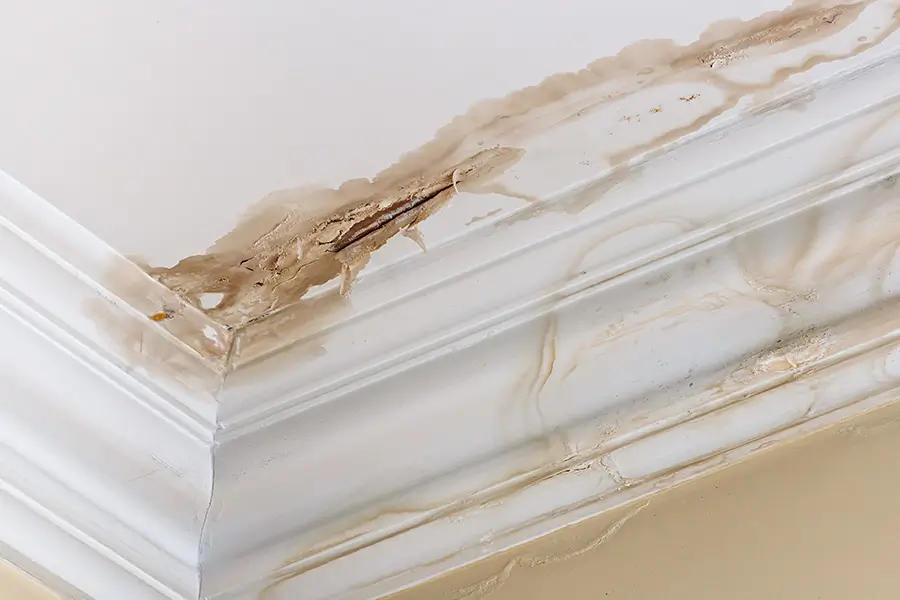
- Brown ceiling stains, bubbling paint, warped drywall, and musty odors are all signs of active hidden leaks that should never be dismissed as cosmetic issues.
- When DIY methods aren’t enough, professional leak detection uses infrared cameras, acoustic sensors, and pressure testing to find leaks that are completely invisible to the naked eye.
- Suspect a hidden leak in your Heritage Hills home? Contact Parker Heating and Air for professional leak detection and plumbing repair.
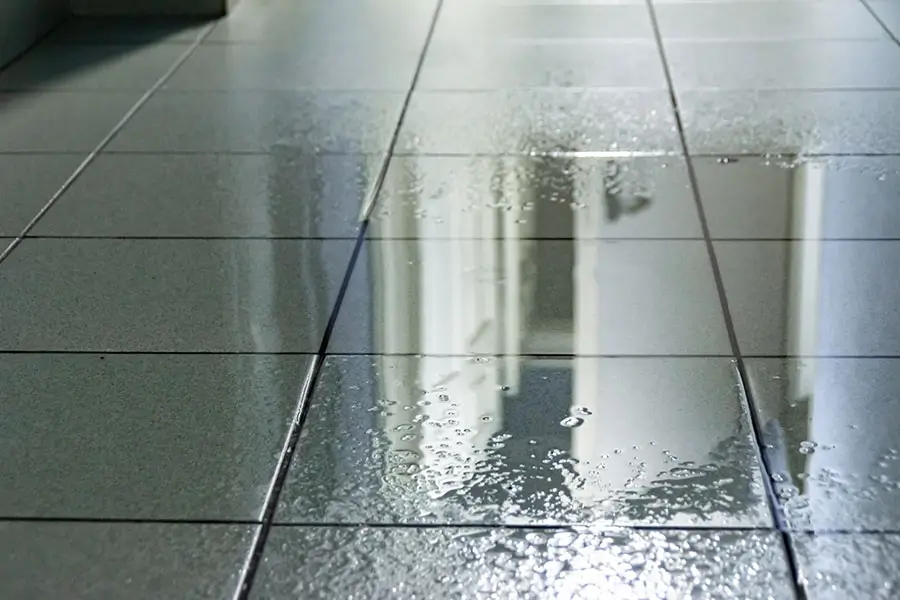
The idea of a plumbing leak probably has you picturing a dripping faucet or a puddle under the sink. But leaks aren’t always so obvious, or even visible. Sneaky, hidden water leaks quietly drive up your water bill, damage your home, and create the perfect environment for mold growth.
That’s why detecting a water leak before it turns into a full-blown disaster is so important. If you’re starting to suspect that something bad is happening where you can’t see it, try these effective ways of uncovering concealed water leaks, then call Parker Heating and Air for plumbing services in Heritage Hills, CO.
Why Hidden Water Leaks Are More Dangerous Than Visible Ones
Most homeowners act quickly when they see water — a dripping pipe or a puddle under the sink gets immediate attention. Hidden leaks are far more insidious precisely because they don’t trigger that response.
According to the U.S. Environmental Protection Agency, household leaks waste nearly 10,000 gallons of water per year on average — and a significant portion of that comes from hidden leaks behind walls, under slabs, and beneath flooring that homeowners may not discover for months or years.
The consequences compound over time:
- Water damage to flooring, drywall, insulation, and structural framing
- Mold and mildew growth — mold can begin developing within 24 to 48 hours of sustained moisture exposure, creating health risks for the household
- Foundation damage — long-running slab or underground leaks can undermine the structural integrity of the home
- Elevated water and energy bills — even small leaks waste significant water and force water heaters and appliances to work harder
In Heritage Hills, CO, where many homes feature high-end finishes, hardwood floors, and finished basements, the cost of a delayed leak discovery can be especially high. Acting early — and knowing how to look — makes all the difference.
Method 1: Check the Water Meter
The water meter is the single most reliable DIY tool for confirming whether a hidden leak exists anywhere in your plumbing system.
How to perform a water meter test:
- Ensure no water is being used anywhere in the home — turn off all faucets, appliances, and irrigation systems
- Check the water meter — if the dial is spinning or the digital numbers are changing, you likely have a leak somewhere in the system
- Wait two to three hours without using any water, then check the meter again
- Compare the readings — if the numbers have changed without any water being used, that’s a strong indicator of a hidden leak behind walls, underground, or beneath your home’s slab
The water meter test won’t tell you where the leak is — but it gives you a fast, definitive answer as to whether one exists. If your meter confirms a leak and you can’t find the source, contact Parker Heating and Air for a professional leak detection service in Heritage Hills.
Method 2: Monitor Your Water Bill Closely
Your water bill tells a story — and if something is off, your wallet will feel it before anything else becomes visible.
Most households have fairly consistent water usage from month to month, with predictable seasonal variation. An unexplained spike that doesn’t correspond to a change in usage habits — more guests, a new appliance, summer irrigation — is a reliable early indicator of a hidden leak.
How to use your water bill for leak detection:
- Save your bills for at least three consecutive months and compare them side by side
- Look for gradual upward trends as well as sudden spikes — slow leaks often show up as a steady month-over-month increase rather than a one-time jump
- Check whether the usage spike aligns with a season — if your bill spikes in winter when irrigation is off, a plumbing leak is more likely than a usage change
According to the EPA’s WaterSense program, a household with a leak equivalent to a faucet dripping once per second wastes more than 3,000 gallons per year — enough to see a noticeable impact on monthly billing.
Method 3: Inspect Your Visible Plumbing Regularly
Regular plumbing inspections are one of the most proactive steps Heritage Hills homeowners can take to detect hidden water leaks before they cause serious damage.
Every few months, inspect the following areas:
- Under sinks in kitchens and bathrooms — look for moisture, rust staining around pipe joints, water marks on the cabinet floor, or soft/swollen wood
- Behind appliances — pull out your refrigerator, dishwasher, and washing machine periodically and check supply lines and connections for dripping or corrosion
- In the basement or utility room — inspect the water heater, water softener, and any visible supply or drain lines for signs of moisture or rust
- Outdoor hose bibs and irrigation connections — check for dripping at the connection points, which can allow water to infiltrate behind exterior walls
Any unusual odors — a musty, earthy smell in enclosed spaces like under-sink cabinets or closets near plumbing walls — can indicate moisture accumulation even when no visible water is present. If something doesn’t look or smell right, don’t ignore it. Contact Parker Heating and Air for a professional plumbing inspection.
Method 4: Listen for the Sounds of a Hidden Leak
Sometimes, your ears can catch what your eyes cannot. Sound is often the earliest detectable sign of a leak inside walls or above ceilings.
How to listen for hidden leaks:
- Turn off all electronics — televisions, HVAC systems, and appliances — to minimize background noise
- Walk slowly through your home, stopping in rooms that share walls with plumbing — bathrooms, kitchens, utility rooms, and laundry areas
- Press your ear lightly against drywall surfaces, particularly in areas where pipes are known to run
- Listen for hissing, dripping, or rushing water sounds — even faint sounds that continue when no fixtures are running
A hissing sound typically indicates a pressurized supply line leak. A slow dripping sound suggests condensation buildup or a drain connection issue. Either sound, detected when no water is actively being used in the home, warrants immediate follow-up.
Method 5: Use Moisture Sensors
Moisture sensors are small, affordable devices that alert you when they detect excess moisture — and they’re one of the most effective passive leak detection tools available to homeowners.
Where to place moisture sensors in your Heritage Hills home:
- Under kitchen and bathroom sinks
- Near the water heater and water softener
- Behind toilets and under washing machine connections
- In the basement near floor drains and sump pumps
- Under refrigerators with ice maker or water dispenser connections
Basic moisture sensors cost as little as $10 to $20 and emit an audible alarm when they detect water. Smart moisture sensors go further — connecting to your home’s Wi-Fi network and sending real-time alerts to your smartphone, allowing you to respond to a leak even when you’re away from home.
In Heritage Hills, where homes often feature high-end finishes, hardwood floors, and expensive cabinetry, a $15 sensor can potentially save thousands in water damage repair costs. Catching a leak within hours rather than weeks makes an enormous difference in total damage.
Method 6: Watch for Wall and Ceiling Stains
Discoloration on walls and ceilings is one of the most visible — and most commonly dismissed — signs of a hidden water leak. Many homeowners chalk these up to old paint or minor cosmetic wear when they’re actually symptoms of active water damage behind the surface.
Warning signs to look for:
- Brown or yellow staining on ceilings — almost always indicates water sitting on the ceiling material from a leak above
- Bubbling, peeling, or flaking paint on walls — moisture behind the drywall pushes paint away from the surface
- Soft or spongy drywall when pressed — indicates the paper facing and core of the drywall have absorbed water
- Warped or buckled baseboards — wood trim absorbs moisture and warps when a leak runs along the base of a wall
- Musty smell in a specific room — even without visible staining, a persistent musty odor in a single room often pinpoints a moisture source in the wall or floor cavity
Don’t ignore these signs. Water leaking inside a wall will eventually cause structural damage to framing, lead to mold growth, and potentially damage electrical wiring running through the same cavity. What starts as a cosmetic issue can become a significant safety and structural repair. Contact Parker Heating and Air if you notice any of these warning signs in your Heritage Hills home.
When to Call a Professional for Hidden Leak Detection in Heritage Hills
There comes a point when a DIY approach to detecting a water leak just isn’t enough. If you’ve worked through the methods above and still suspect a leak — or can’t locate the source — it’s time to bring in a professional.
Expert plumbers use specialized diagnostic tools that go far beyond what homeowners can access:
- Infrared (thermal) cameras — detect temperature differences caused by moisture behind walls, under floors, and above ceilings without any demolition
- Acoustic leak detection — uses sensitive listening devices to amplify the sound of water moving through pipes, pinpointing the exact location of a pressurized line leak
- Pressure testing — isolates sections of the plumbing system to confirm and locate leaks in supply lines
- Video pipe inspection — sends a small camera through drain lines to identify cracks, root intrusion, and joint failures from inside the pipe
Professional leak detection is especially valuable in Heritage Hills homes that may have complex plumbing layouts, multiple levels, or older supply lines that are more prone to failure. Finding a hidden leak accurately the first time prevents the exploratory demolition that a guessing-based approach would require.
Contact Parker Heating and Air to schedule professional leak detection in Heritage Hills, CO — our team will locate even the most elusive leak and make fast, lasting repairs.
Let Parker Heating and Air Uncover What’s Lurking Behind Your Heritage Hills Walls
While not all problems are as apparent as a water heater leaking from the bottom, finding hidden water leaks doesn’t have to be a guessing game. From the old-school water meter check to high-tech moisture sensors, homeowners in Heritage Hills have numerous options for detecting a water leak before it becomes a major issue.
If you’re ever in doubt or want peace of mind, reach out to Parker Heating and Air. Our experts will locate even the most elusive plumbing issues and make fast, long-lasting repairs to prevent further damage and keep your home safe, dry, and structurally sound.