
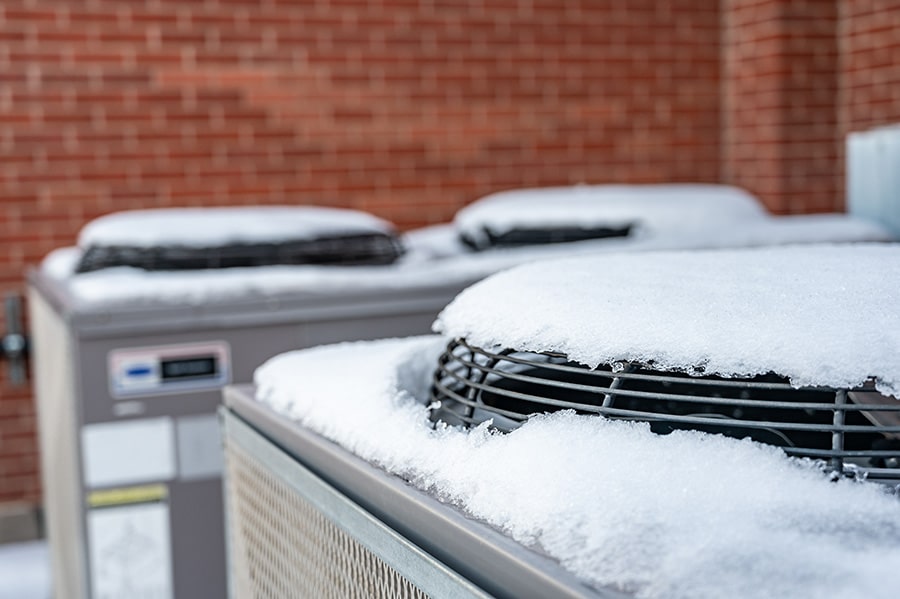
Key Points
- Four main causes of a frozen AC evaporator coil: low refrigerant levels, restricted airflow from dirty filters or blocked vents, a broken thermostat failing to shut the system off, and a faulty blower fan motor — any one of these disrupts the heat transfer process and allows ice to form.
- According to the U.S. Department of Energy, restricted airflow and low refrigerant are the two most common causes of AC inefficiency and component damage — both of which directly cause evaporator coil freezing.
- Never continue running an AC with frozen coils — continued operation risks compressor damage, turning a relatively inexpensive coil issue into a compressor replacement costing $1,500–$2,500 or more.
- In Heritage Hills and the surrounding Parker, CO area, AC systems run from late May through September against Colorado’s dry heat — but even in low-humidity conditions, evaporator coils can freeze when airflow or refrigerant is compromised.
- Three visible warning signs of frozen coils: visible frost or ice on the indoor unit, water puddles near the drain pan (melting ice overflowing the pan), and warm or no cool air from the vents despite the system running.
- The only DIY steps safe for homeowners are: turning the system off, letting the coils thaw naturally, running the fan on “Auto” to speed thawing, and replacing a clogged air filter — all other causes require a licensed HVAC technician.
- Contact Parker Heating & Air for expert frozen coil diagnosis and AC repair throughout Heritage Hills and the Parker, CO area.
If your home uses a heat pump or air conditioning system to keep spaces cool in the summer, you could experience a common problem: frozen evaporator coils. These systems use refrigerant to remove heat from indoor air, so ice can form if something goes wrong with the heat transfer. So, why does an AC coil freeze up exactly?
Parker Heating & Air proudly offers top-tier AC services in Heritage Hills, CO, including air conditioning repair for frozen coils. Our technicians have ample experience dealing with this problem. Below, we explain what causes frozen air conditioning coils and what you can do to resolve the issue.
What Makes Frost Form on Air Conditioner Coils in Heritage Hills?
You might assume it’s acceptable for parts within a Heritage Hills cooling system to have frost or ice — but you’d be mistaken. Why does an AC coil freeze up? Here are the top reasons:
Low Refrigerant Levels
Evaporator coils are within the indoor portion of a cooling system, and the outdoor unit houses the condenser coils. Refrigerant flows through both components in a closed, continuous loop to draw heat from indoor air and disperse it outdoors. Because refrigerant moves in a closed loop, a leak could drop the chemical’s levels, reduce its ability to absorb heat, and cause ice to form on the coils.
Why this is never a DIY repair: Refrigerant handling requires EPA Section 608 certification — it is illegal for uncertified individuals to handle refrigerant, and simply topping off the charge without finding and repairing the leak is a temporary fix at best. A licensed Parker Heating & Air technician uses electronic leak detection equipment to locate the exact leak source before recharging. If you notice a hissing sound near the indoor unit or a sweet chemical odor, turn the system off and schedule an AC repair visit promptly.
Restricted Airflow in AC Unit
Cooling systems need sufficient airflow to efficiently transfer heat. Dirty HVAC filters and blocked AC vents restrict airflow, causing the equipment to work harder.
Unfortunately, this excessive operation causes several issues — including skyrocketing energy bills and premature wear and tear of HVAC components. It can also cause dirt and debris to collect on the coils. When this happens, they can’t absorb heat correctly, which triggers ice buildup.
Heritage Hills homeowners should check filters monthly during peak season: Colorado’s dry summers and Douglas County’s periodic wildfire smoke events can accelerate filter clogging faster than the standard 90-day interval. A clogged filter is the most common — and most preventable — cause of frozen coils. If your filter looks grey and compressed rather than light and airy, replace it immediately. Regular AC maintenance that includes coil cleaning prevents debris accumulation that a filter change alone can’t address.
Broken Thermostat
Sometimes, cooling problems stem from the thermostat and not the HVAC system itself. If you see frozen coils in the morning, it could be due to a thermostat malfunction. The device might fail to trigger the cooling unit to shut down at night when temperatures drop in Heritage Hills.
How to recognize a thermostat-related freeze: Heritage Hills evenings in summer frequently drop into the 50s°F — significantly cooler than daytime highs. When the thermostat fails to cycle the system off as outdoor temperatures fall, the AC continues cooling against already-cool night air, causing the coil temperature to drop below freezing. If your frozen coil issue consistently appears in the mornings after cool nights but the system runs fine otherwise, the thermostat is the first thing to evaluate. A thermostat repair or replacement is typically one of the more affordable fixes in this category.
Faulty Blower Fan Motor
The blower fan motor operates the fan that blows air over the evaporator coil. If the fan or motor fails, it could restrict airflow from the cooling system and cause ice to form. Warning signs of a failing blower motor include strange noises — humming, squealing, or grinding — and warm air coming from the vents despite the system running.
Why blower motor issues escalate quickly: A blower motor that’s struggling but not yet fully failed will reduce airflow enough to cause coil freezing without triggering a complete system shutdown. The system continues running, compounding the coil ice buildup, while the compressor works against an increasingly blocked airflow path. If caught early — at the unusual noise stage — a blower motor bearing lubrication or capacitor replacement is a manageable repair. A motor that has fully seized often requires complete replacement. Don’t ignore unusual sounds from your air handler.
AC Coil Troubleshooting Tips
Now you know the answer to the question: “Why does my AC coil freeze up?” If this problem occurs in your Heritage Hills property, you can take the following steps to address it.
Step 1: Turn Off the Cooling System
If you suspect your cooling system components have an icing problem, do not continue running your system. Shut it off immediately by setting the thermostat to “Off” instead of “Cool.”
If you have a heat pump, your thermostat might have a “Defrost” mode — don’t turn on this setting unless you have a frozen condenser coil; it only works for the outdoor unit.
Why stopping quickly matters: Every minute a frozen coil system continues running, the compressor works harder against reduced airflow. Compressor damage is the most expensive consequence of a frozen coil — a compressor replacement can cost more than a full system replacement on older units. The moment you notice signs of frozen coils, turning the system off is the most important thing you can do.
Step 2: Let the Coils Defrost Naturally
Allow the coils to thaw naturally. Don’t use anything to break the ice off because you could accidentally damage the component and cause a refrigerant leak. Instead, set the HVAC fan to “Auto” to blow room-temperature air through the system and thaw everything faster.
How long does thawing take: Depending on how much ice has accumulated, complete thawing can take anywhere from 1–24 hours. Placing towels around the indoor air handler unit and near the condensate drain pan helps absorb melting water and prevents water damage to surrounding flooring and drywall. Check the drain pan periodically — if it’s overflowing, empty it to prevent water damage.
Step 3: Replace the HVAC Filter
Check your air filter. If it’s clogged, it likely caused the icing — so replace it while the equipment thaws naturally. This is the one DIY fix that directly addresses one of the four root causes.
What filter to choose: For Heritage Hills homes, a MERV 8–11 filter provides good filtration without excessively restricting airflow. Higher MERV ratings (13+) can actually contribute to airflow restriction on systems not designed for them — potentially contributing to the same frozen coil problem you’re trying to resolve. When in doubt, ask a Parker Heating & Air technician what MERV rating is appropriate for your specific system during your next AC maintenance visit.
Step 4: Contact a Local HVAC Technician
Problems with dirty coils, refrigerant leaks, and blower motor damage require the expertise of a Heritage Hills HVAC company. These professionals have the expertise necessary to thoroughly inspect the cooling unit, identify the reason for the frozen coils, and implement the best solution.
What a professional frozen coil diagnostic covers: A Parker Heating & Air technician will check refrigerant pressure levels, inspect coil cleanliness, test blower motor function and airflow volume, evaluate thermostat calibration and cycling behavior, and inspect the condensate drain system for clogs. This single diagnostic visit identifies whether the issue is one of the four causes above — or a combination — and produces a repair recommendation with transparent pricing before any work begins.
Common Signs of AC Coil Freezing
An obvious sign of frozen evaporator coils is visible frost or ice. Yet the system may display other warnings indicating a serious issue, including:
- Water puddles near the drain pan — as ice melts, it can overflow the condensate pan and pool on the floor around the air handler; this can cause water damage to surrounding areas if not addressed promptly
- Lack of cool air from the vents — ice blocking the coil prevents proper heat exchange; the air may move but won’t be cooled
- Cooling system blowing warm air — a fully iced coil may cause the system to blow air at or above room temperature despite appearing to run normally
One additional sign to watch for: unexplained increases in your energy bill during a period when usage hasn’t changed. A partially frozen coil forces the system to run longer and work harder to reach the set temperature — driving up electricity consumption before visible ice even appears.
Key Takeaways
Frozen AC evaporator coils in Heritage Hills, CO are caused by four issues: low refrigerant from a leak, restricted airflow from dirty filters or blocked vents, a thermostat failing to cycle the system off during cool nights, or a faulty blower fan motor reducing air movement. The moment you notice frozen coils — ice on the unit, water puddles, or warm air from vents — turn the system off immediately to protect the compressor. Safely thaw the coils naturally using the fan-on-Auto setting, replace a clogged filter, and call a licensed technician for any issue beyond a simple filter change. Refrigerant leaks, dirty coils, and motor problems all require professional diagnosis and repair. Contact Parker Heating & Air for expert frozen coil diagnosis and AC repair throughout Heritage Hills and the Parker, CO area.
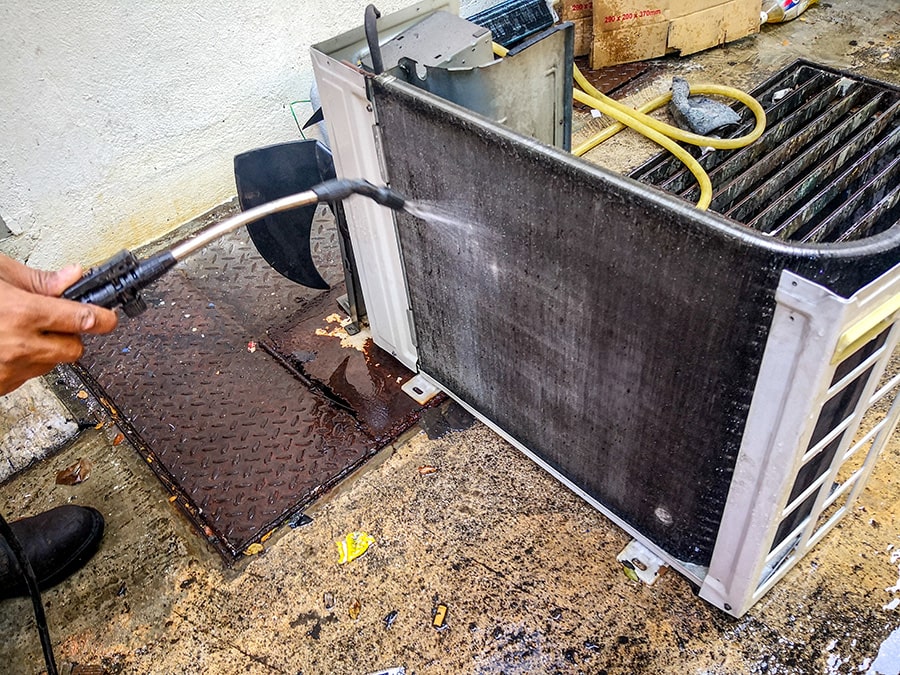
Let Our Heritage Hills HVAC Experts Handle Your Cooling Issues
The answer to “Why does my AC coil freeze up?” can range from dirty air filters to faulty blower motors. No matter the reason for your air conditioner’s frost problem, our experts at Parker Heating & Air can provide the appropriate fix. Our experienced technicians deliver accurate, long-lasting HVAC solutions through comprehensive diagnostics and industry-leading practices.
Contact us today in Heritage Hills, CO, for help or to learn about air conditioning repair and AC maintenance services from Parker Heating & Air!